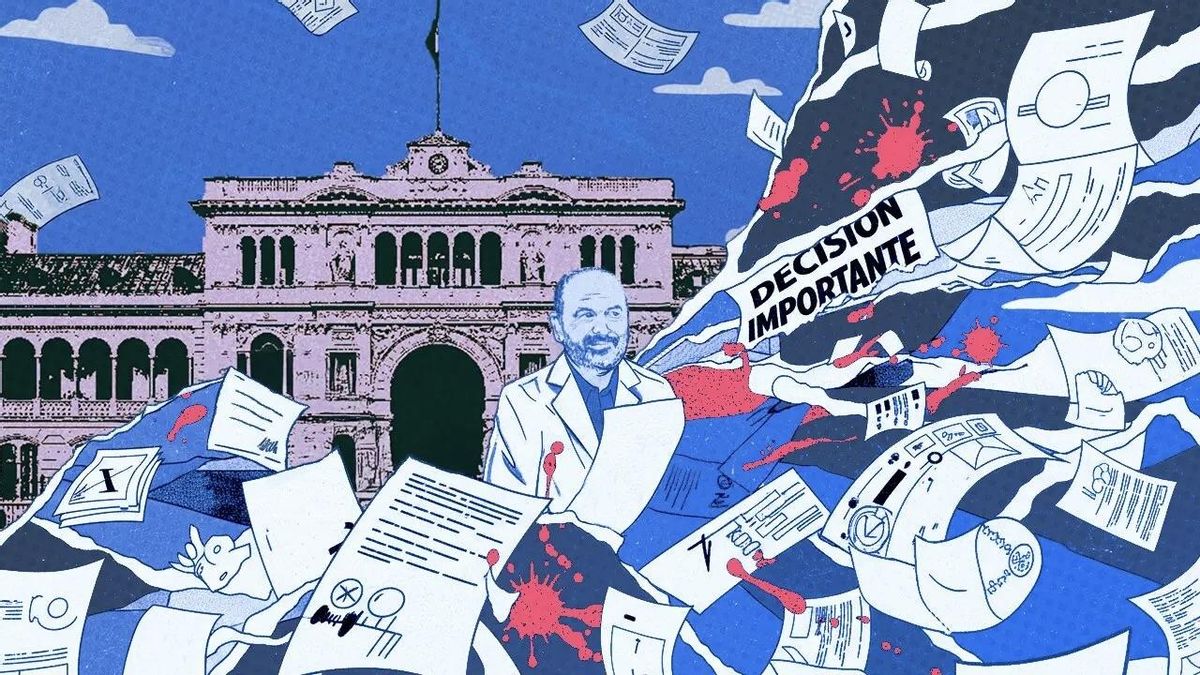
[Javier Milei's government has implemented over 1,300 regulatory changes in less than 2 years, but a study by Chequeado and elDiarioAR found that 6 out of 10 of these deregulation measures had a moderate or low impact, while 12% were stalled by judicial decisions. Only 28% were considered to have a high impact, significantly altering economic activities or people's daily lives.
The analysis examined over 160 regulations published in the Official Gazette between December 2023 and May 2025, covering areas such as the economy, public administration, transportation, energy, and health. The researchers used a qualitative approach to assess the reach and magnitude of the changes generated by each measure.
According to the study, the deregulation agenda focused mainly on the economy and finance sector, accounting for 27% of the analyzed regulations. This included simplifying import procedures and reducing or eliminating taxes. Other significant areas were public administration and state reform (22.5%), transportation (18.5%), energy and mining (8%), health (8%), and labor and social security (7%).
The findings suggest that while Milei's government has pursued an ambitious deregulation program, the actual impact has been more limited than expected. Experts highlight that the reforms have significantly altered some sensitive areas of daily life, such as the repeal of the Rent Control Law, but have also faced legal challenges and implementation issues in other cases.
The study provides a comprehensive evaluation of Milei's deregulation agenda, offering insights into the scope and effectiveness of the measures implemented so far. As the government continues its efforts to reshape the regulatory landscape, this analysis offers a nuanced perspective on the real-world impact of these policies.]