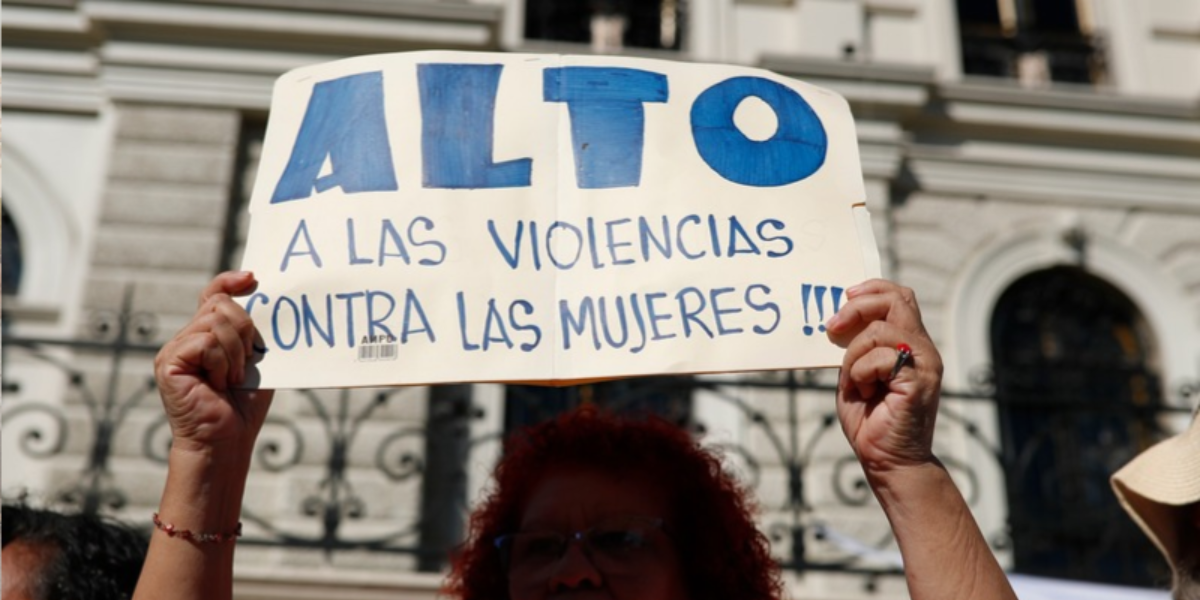
Entre enero y septiembre de 2026, El Salvador ha registrado un total de 21 feminicidios, according a detailed report by the Organization of Salvadoran Women for Peace (ORMUSA). This figure highlights a concerning trend in the country, where a significant portion of these violent crimes are linked to intimate relationships. Specifically, 12 of these cases, representing 57 % of the total, have been attributed to partners or former partners of the victims.
One of the most critical points raised by ORMUSA is the severe lack of accessible official statistics regarding these crimes. The NGO has warned that the Salvadoran government maintains a state of secrecy or denies access to data concerning violence, including information on these extreme cases of gender-based violence. Consequently, the state does not catalog the murders of women specifically as feminicides, which complicates the institutional response and the visibility of the problem.
Due to this lack of official transparency, ORMUSA clarified that the statistics presented for the period between January 1 and September 30, 2026, were compiled through a methodology of press monitoring. The data were documented based on information found in press notes and other media outlets, serving as the only available source to track these killings in the absence of governmental records.
The report provides a detailed breakdown of the aggressors involved in these 21 cases. While 12 murders were perpetrated by partners, the remaining 9 cases are attributed to "other aggressors." For ORMUSA, these numbers are a clear indicator that feminicidal violence remains prevalent, particularly within the sphere of marital and conjugate relationships. Based on this evidence, the organization emphasizes the urgent need to develop and implement comprehensive strategies for the prevention and care of women who face violence within their families or partner relationships.
In terms of temporal distribution, the monitoring of press reports shows that May 2026 was the most violent month, with 5 recorded crimes. This was followed by September, which saw 4 cases, while March and August each recorded 3 murders. This fluctuation suggests that violence remains a constant threat throughout the year, although it peaked during the second quarter.
The demographic analysis provided by the NGO reveals that the group of victims with the highest incidence consists of women aged between 26 and 35 years. This specific age group accounts for 6 cases, which represents 28.6 % of the total recorded. However, ORMUSA also pointed out a significant gap in the available information: in 7 of the 21 cases, the age of the victim is unknown. This omission reinforces the organization's demand for official records that are disaggregated by the necessary variables to properly analyze and combat feminicidal violence.
Furthermore, ORMUSA argues that the occurrence of these crimes across different age groups demonstrates the necessity of implementing strategies with a "life course approach." This perspective would allow the identification and execution of protection strategies tailored to the specific needs and risks faced by women at different stages of their lives.
Finally, the report provides a historical comparison to contextualize the 2026 figures. In 2025, a total of 26 feminicides were recorded, a figure that was lower than the 38 cases reported in 2024. Regarding the previous year, 2025, the most violent month was August, with 8 murders, and 52 % of those cases were committed by partners or former partners of the victims, maintaining a pattern of intimate partner violence similar to the current trend observed in 2026.